Closet, Simplified: Build a Capsule Wardrobe That Actually Works
Most wardrobes are overcrowded but underperforming. You wear 20% of your clothes 80% of the time, and the rest just sits there. A capsule wardrobe fixes that—fewer pieces, better combinations, zero decision fatigue. This isn’t about minimalism for aesthetics. It’s about efficiency and consistency in how you dress.
Start with a hard reset. Pull everything out and filter ruthlessly. If it doesn’t fit well, doesn’t match at least three other items, or you haven’t worn it in a year, it’s dead weight. Keep only what earns its place. Sentimental excuses don’t count.
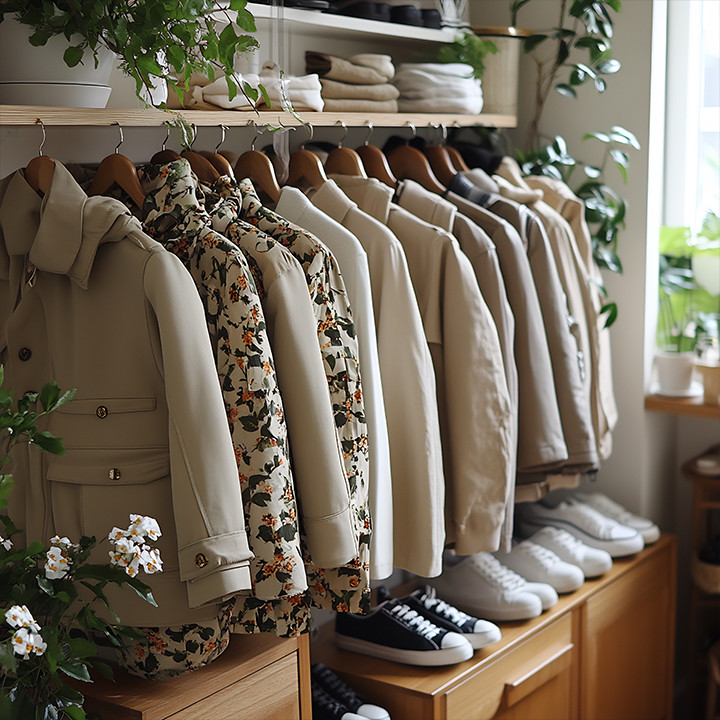
Now define your base. A capsule wardrobe works because it revolves around neutral, versatile pieces. For both men and women, this means building around blacks, whites, greys, navy, and earth tones. These colors mix without friction. Loud prints and trend-heavy items? Limit them. They kill flexibility.
Next, lock your essentials. For men, a strong base includes: well-fitted plain t-shirts, a crisp white shirt, a light blue shirt, dark jeans, neutral chinos, a structured blazer, and one solid jacket. Add clean sneakers and a pair of formal shoes. That’s enough to build dozens of outfits.
For women, the structure is similar but more flexible: fitted tops, a classic white shirt, neutral blouses, dark jeans, tailored trousers, a versatile dress, a structured blazer, and a layering jacket. Footwear should include clean sneakers, flats or heels, and one statement pair if needed. Keep it controlled, not chaotic.
Fit matters more than quantity. A cheap shirt that fits perfectly beats an expensive one that doesn’t. Stop buying “almost right” clothes. Tailoring isn’t optional if you want your wardrobe to work. The difference between average and sharp is usually just fit.
Focus on layering. This is where capsules outperform regular wardrobes. A basic t-shirt becomes three outfits when paired with a blazer, jacket, or overshirt. A dress becomes casual or formal depending on layering. Each layer multiplies your combinations without adding clutter.
Quality over volume. If you’re buying ten cheap pieces a month, you’re doing it wrong. Invest in durable fabrics—cotton, denim, wool blends. They hold shape, age better, and don’t collapse after a few washes. A capsule wardrobe fails if your clothes degrade quickly.
Stick to a ratio: around 25–40 total pieces per season. That includes tops, bottoms, outerwear, and shoes. If you go beyond that, you’re just rebuilding a cluttered wardrobe with a nicer name.
Finally, enforce discipline. Every new item must match at least three existing pieces. If it doesn’t, don’t buy it. Trends will tempt you. Ignore most of them. Style comes from consistency, not chasing what’s new every week.
A capsule wardrobe isn’t restrictive—it’s precise. You stop guessing what to wear and start knowing. Fewer choices, better combinations, stronger presence. That’s the point.